How EMS Software Helps EMS Organizations Save Time and Reduce Costs
Emergency medical service (EMS) organizations work in fast-paced environments where every second matters. They must respond to emergencies quickly, manage staff schedules, maintain vehicles, complete reports, and communicate with hospitals. Handling these tasks manually can take a lot of time and increase the chances of mistakes. This is why many organizations are choosing EMS software to improve their daily operations. By automating routine tasks and improving communication, EMS software helps organizations save time, lower operating costs, and provide better patient care.
Faster Daily Operations with EMS Software
One of the biggest advantages of EMS software is that it makes daily operations faster and more organized. Instead of using paper records or multiple systems, all important information is stored in one digital platform. Dispatchers can quickly assign emergency calls, and field teams receive updates instantly.
Because EMS software keeps all information in one place, staff spend less time searching for patient records, schedules, or vehicle details. This allows emergency teams to focus more on patient care instead of paperwork. Faster access to information also helps improve response times during emergencies.
Reducing Administrative Work
Administrative tasks can take up many hours each day. Writing reports, entering patient information, tracking inventory, and preparing billing records all require time and attention. EMS software automates many of these tasks, making them quicker and more accurate.
For example, patient care reports can be completed digitally while still at the emergency scene. Billing information can be generated automatically from patient records, reducing duplicate data entry. This automation saves valuable staff time and lowers the risk of human errors that may lead to delays or additional expenses.
Better Resource and Staff Management
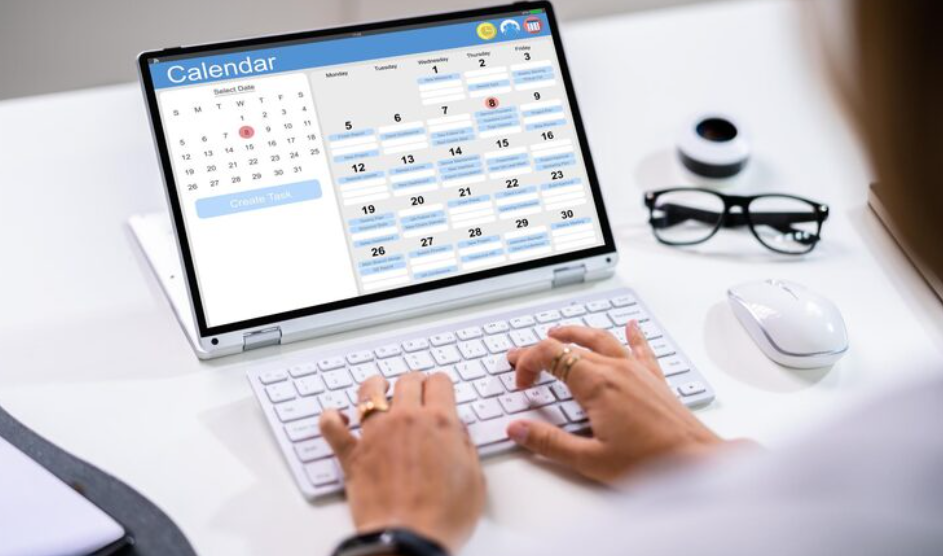
Managing employees and emergency vehicles efficiently is important for controlling costs. EMS software helps managers schedule shifts, monitor staff availability, and assign resources based on real-time needs.
The software also tracks ambulance locations and vehicle maintenance schedules. This helps prevent unexpected breakdowns and keeps vehicles ready for emergency calls. By improving resource planning, EMS software reduces unnecessary overtime, lowers fuel costs, and ensures that equipment is used more effectively.
Improving Communication and Decision-Making
Good communication is essential for every EMS organization. EMS software allows dispatchers, paramedics, supervisors, and hospitals to share information quickly and accurately. Everyone has access to updated patient details and emergency information, reducing confusion and delays.
The software also provides reports and performance data that help managers make informed decisions. They can review response times, staffing levels, and operational costs to identify areas that need improvement. With accurate data, organizations can make smarter decisions that save both time and money.
Supporting Compliance and Accurate Record Keeping
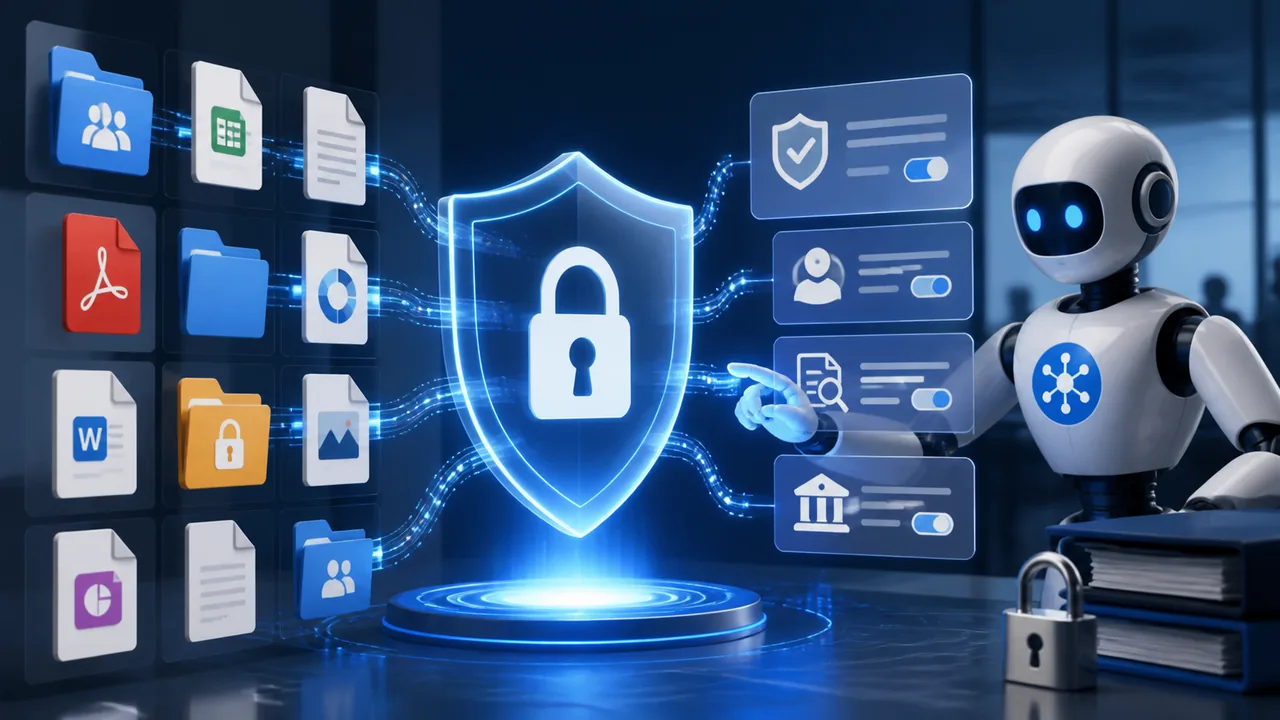
EMS organizations must follow healthcare regulations and maintain accurate records. Manual record keeping can be difficult and may result in missing or incorrect information. EMS software stores patient records securely and organizes documents in an easy-to-access system.
Digital records make audits and inspections much simpler. The software also helps ensure that required forms are completed correctly and submitted on time. This reduces compliance risks and avoids costly penalties that may result from incomplete documentation.
Conclusion
EMS software is a valuable investment for EMS organizations that want to improve efficiency while reducing operational costs. By automating administrative work, improving communication, managing resources effectively, and maintaining accurate records, EMS software helps organizations save time every day. As emergency services continue to grow and face new challenges, using reliable EMS software allows teams to deliver faster, safer, and more cost-effective care while focusing on what matters most—helping patients in need.