How to Improve Lead Generation Through Face to Face Marketing
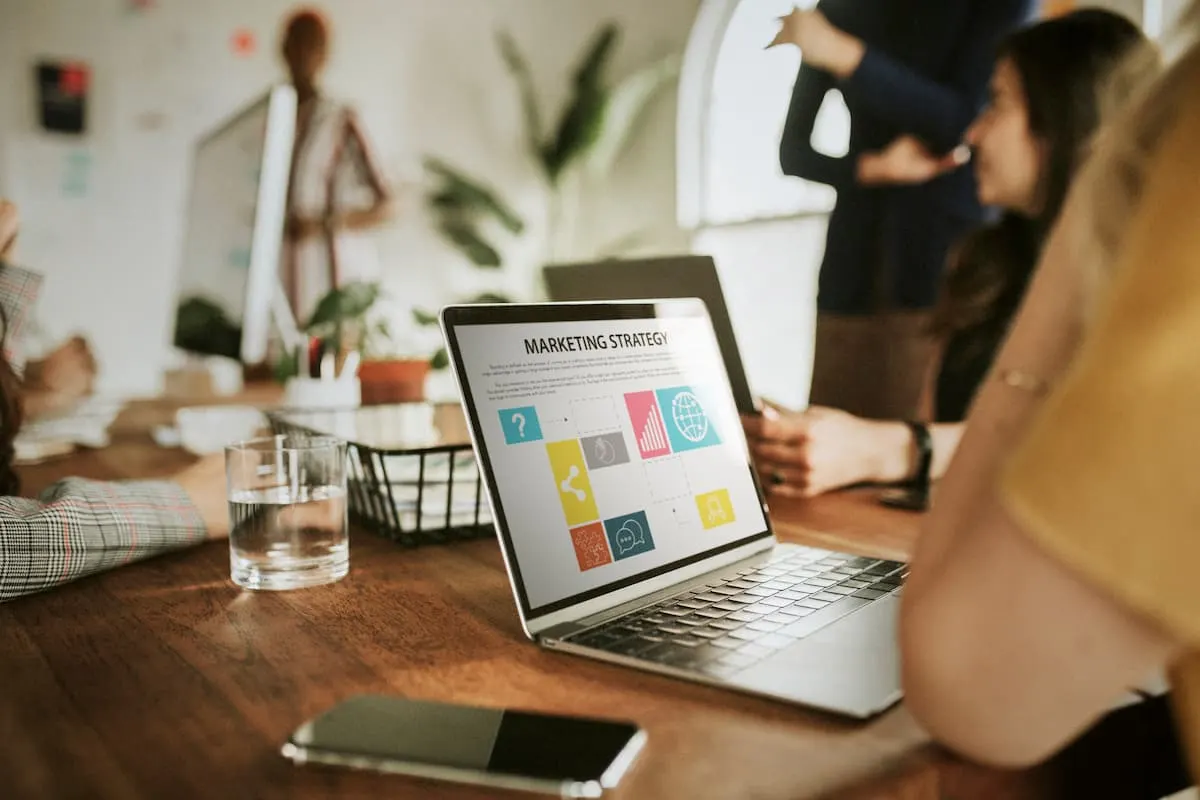
In an increasingly digital business environment, building genuine relationships with potential customers remains an effective way to generate quality leads. While email campaigns, social media, and online advertising help businesses reach large audiences, personal interactions offer opportunities to build trust and understand customer needs directly. This is where face to face marketing can make a meaningful difference.
Face to face marketing involves engaging with potential customers through in-person conversations, product demonstrations, networking events, trade shows, promotional activities, and other direct interactions. When planned strategically, it can help businesses attract qualified prospects, communicate their value, and turn conversations into valuable sales opportunities.
Here are practical ways to improve lead generation through face to face marketing.
1. Identify Your Target Audience
Successful lead generation starts with knowing who your ideal customers are. Before attending an event or organizing a promotional campaign, define your target audience based on factors such as industry, location, interests, business needs, and purchasing behavior.
For example, a software company may focus on industry conferences, while a consumer brand may benefit from shopping centers, exhibitions, and community events.
Understanding your audience helps you choose relevant locations and approach people who are more likely to be interested in your products or services. This targeted approach can improve lead quality and make your marketing efforts more efficient.
2. Choose the Right Locations and Events
The location of your face to face marketing campaign can significantly influence its results. Participating in events that attract your target audience creates more opportunities for meaningful conversations.
Consider attending trade shows, business networking events, industry conferences, local exhibitions, and community gatherings. Businesses targeting consumers can also explore suitable retail locations and promotional events.
Before committing to an event, evaluate its audience, expected attendance, participation costs, and relevance to your goals. Selecting the right environment helps your team connect with potential customers who have a genuine interest in your offerings.
3. Train Your Marketing Team
Your marketing representatives play an important role in converting in-person interactions into leads. They should be able to communicate confidently, ask relevant questions, and explain how your products or services solve customer problems.
Provide training on product knowledge, active listening, objection handling, and professional communication. Encourage representatives to begin conversations naturally rather than relying on aggressive sales pitches.
A friendly and helpful approach makes prospects more comfortable sharing their requirements. It also allows your team to identify potential customers and determine whether your business can meet their needs.
4. Focus on Building Trust and Relationships
One of the main advantages of face to face marketing is the opportunity to establish personal connections. Prospects can ask questions, receive immediate answers, and evaluate your business through direct interaction.
Instead of focusing exclusively on closing a sale, prioritize understanding the customer’s challenges and expectations. Offer useful information, demonstrate relevant benefits, and be transparent about pricing and product capabilities.
Building trust can encourage prospects to continue the conversation after the initial meeting. Even when someone is not ready to purchase immediately, a positive interaction may create a future business opportunity.
5. Use Interactive Demonstrations and Engaging Materials
Interactive experiences can make your marketing activities more memorable. Product demonstrations, samples, live presentations, and practical examples help prospects understand the value of your offerings.
Support these activities with professional brochures, business cards, product catalogs, and QR codes that direct visitors to your website or contact form.
Digital lead capture tools can also simplify the process of collecting information from interested prospects. Always explain why you are collecting their details and obtain appropriate permission before sending marketing communications.
6. Capture and Qualify Leads Effectively
Generating contacts is only the first step. To improve conversion rates, your team must collect relevant information and distinguish promising prospects from casual inquiries.
With appropriate consent, record details such as the prospect’s name, contact information, business requirements, interests, and preferred follow-up method. Ask relevant questions to understand their needs, budget, decision-making timeline, or purchasing authority when appropriate.
A customer relationship management (CRM) system can help organize this information, assign leads to sales representatives, and track interactions. Accurate records make follow-up more organized and personalized.
7. Follow Up and Measure Performance
Timely follow-up helps maintain the momentum created during an in-person conversation. Contact interested prospects through their preferred communication channel, reference your discussion, and provide any promised information.
Measure campaign performance using metrics such as qualified leads generated, cost per lead, meetings booked, conversion rates, and revenue attributed to the campaign. These insights help identify successful locations, events, and marketing techniques.
Reviewing results regularly allows your business to improve future campaigns and allocate resources more effectively.