Boost Efficiency and Productivity with ERP Software for the Manufacturing Industry
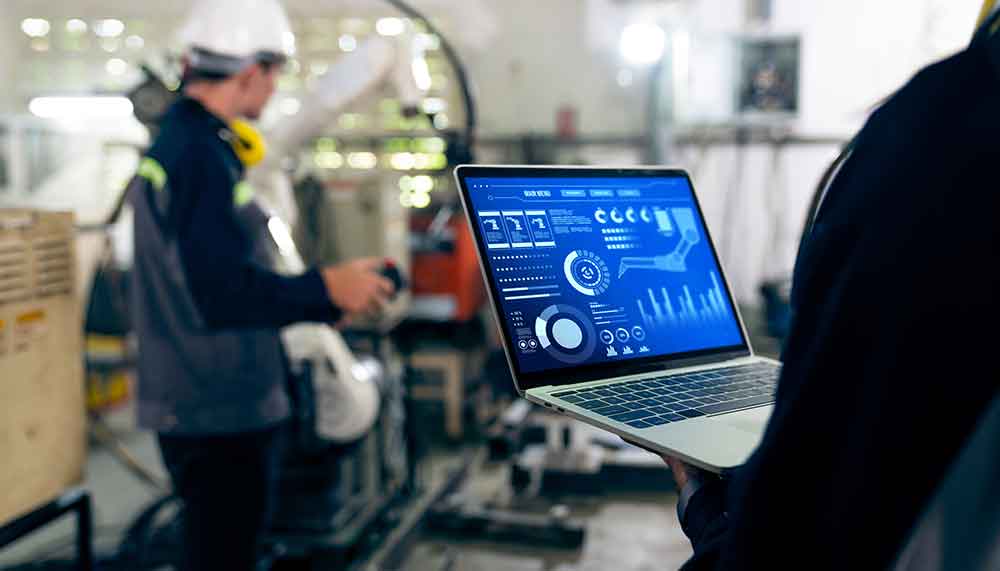
In the modern manufacturing environment that is characterized by a high level of competition, there is no greater importance on efficiency and productivity. The manufacturers are under pressure to streamline their operations, reduce costs, and address the increasing needs of customers without compromising the quality standards. With these demands growing, the need to find solutions to these demands also grows, and it must be driven by technology. ERP manufacturing industries ERP software has become a revolution in the manufacturing sector, and it enables businesses to automate processes, make better decisions, and performance. ERP will enable manufacturers to remain competitive and agile in a constantly changing market.
What is Enterprise Resource Planning Software?
ERP (Enterprise Resource Planning) software is a centralized software that provides an integration of other departments and processes of an organization into one platform. ERP is an integration of key operations in the manufacturing sector like production, inventory, supply chain, human resources, finance and quality control, which facilitates smooth interaction and flow of information across departments.
Through the integration of all these capabilities, ERP leads to the elimination of data silos and hence redundancy is minimized, and real-time access to information can be achieved. This integration promotes teamwork and helps manufacturers to run end-to-end operations in a more effective manner. To put it in a nutshell, ERP becomes the digital backbone of a manufacturing company, offering the tools that are required to streamline all processes of the production line.
The Main Advantages of ERP Software in the Manufacturing Industry
Improved Production Planning and Scheduling
Enterprise resource planning software allows manufacturers to plan and schedule production in an optimal way, enhancing productivity and efficiency. The visibility of data offered by the ERP systems will ensure that production managers are able to predict demand, resource allocation, and production schedules based on the right data. The feature helps in minimizing delays and production bottlenecks, which helps ensure that manufacturing processes are done smoothly.
Inventory control and Wastage minimization
Inventory management is critical to prevent overstocking or stockouts that can greatly affect the cost of production and schedules. ERP software allows manufacturers to have more effective control over stock levels and real-time updates on stock levels and demand trends. This assists in minimizing the amount of waste and allows manufacturers of materials to save on storage costs.
Improved Quality Control and Compliance
Manufacturers are required to be of a high standard and adhere to industry regulations. ERP systems have quality management capabilities that can help manufacturers track the quality of the product at each step of production. The early detection of defects helps manufacturers to minimize rework and enhance customer satisfaction. Moreover, ERP software assists manufacturers in meeting compliance standards by keeping records and producing reports, diminishing the chances of fines and product quality issues.
Reduction of Cost and augmented efficiency
ERP system automates operations, lessens paperwork, and decreases the administrative workload. ERP software can reduce delays and unnecessary steps in operations with automated workflows, making operations more efficient and quicker. Such enhancements will lead to general cost reductions, and the manufacturers will be able to invest in other, more strategic areas, thereby increasing profitability.
Selecting the ERP Software in the Manufacturing Industry
The choice of the appropriate ERP software to use in the manufacturing industry is essential towards realization of the desired benefits in the manufacturing industry. Some of the important considerations are:
- Scalability: Select a solution that will be able to expand with your business requirements.
- Customization: Seek ERP systems that have customization capabilities based on your manufacturing needs.
- User-Friendliness: A friendly user interface will help in faster adoption by employees and reduced training time.
- Integration Capability: The ERP system is supposed to be integrated with the existing systems, including CRM or MES (Manufacturing Execution Systems).
In order to evaluate ERP solutions, manufacturers ought to develop a checklist contingent on their specific requirements, such as production planning features, quality control features, inventory management features, and compliance features. Collaboration with an expert ERP vendor may enable manufacturers to choose the most appropriate solution.
How to Successfully Introduce ERP into a Manufacturing Business
ERP has to be carefully planned and implemented in manufacturing to achieve success. The following are some essential steps:
- Planning: Establish clear goals, needs, and timeframes of the ERP implementation. Get the major stakeholders of each department involved in order to know their needs.
- Customization: Adapt the ERP system to fit to the business processes. Do not over-customize, which can make it difficult to upgrade in the future.
- Training of the team: Invest in the training process to make the employees aware of how to use the ERP system efficiently. This is paramount to easy adoption.
- Vendor Selection: Select a trusted ERP vendor who has experience in the manufacturing industry. See their history, services, and capability to address your special needs.
- Having Realistic Goals: Have goals that are realistic and keep track of them on a regular basis. Realistic goals ensure the timely completion of the project and avoid over-budgeting.
An organized ERP implementation will reduce the impact of the implementation on the normal operations and will make sure the implemented system achieves the anticipated outcomes.
The Future of ERP in Manufacturing: Future Trends to be followed
ERP software has been evolving, and the future of manufacturing is still being adjusted with new developments. Among the trends to be followed are:
IoT Integration: IoT (Internet of Things) allows data to be collected in real-time on the production floor by devices that are linked together. The integration of IoT with ERP can help manufacturers to have better visibility of machine performance and maintenance requirements, as well as production metrics.
AI and Advanced Analytics: Artificial intelligence (AI), and advanced analytics can provide forecasting benefits, which can assist manufacturers in planning production schedules optimally, minimizing downtime, and controlling quality.
Cloud-Based ERP: Cloud ERP solutions provide enhanced flexibility and easy access. In cloud ERP, manufacturers can view the system anywhere, which means that remote work teams can work efficiently.
Such developments will keep propelling the use of ERP to enable manufacturers to remain flexible and responsive to market needs.
Conclusion
In today’s competitive manufacturing landscape, ERP software is crucial for driving operational efficiency and growth. ERP systems facilitate the processes of business, enhance decision-making, and quality control by integrating different business functions. ERP allows manufacturers to be ahead of the pack by giving them real-time insights, such as production planning to inventory management.
With the changing face of the industry, the use of ERP is necessary in order to overcome the hurdles, to maximize resources, and to increase efficiency. At Proses India, we are focused on the implementation of custom ERP solutions that are able to guarantee the seamless operation and ultimate success. Find out more about our services at Proses India.