QR Code Phishing and Its Impact on Your Business: How to Protect Yourself from a New Cyber Threat
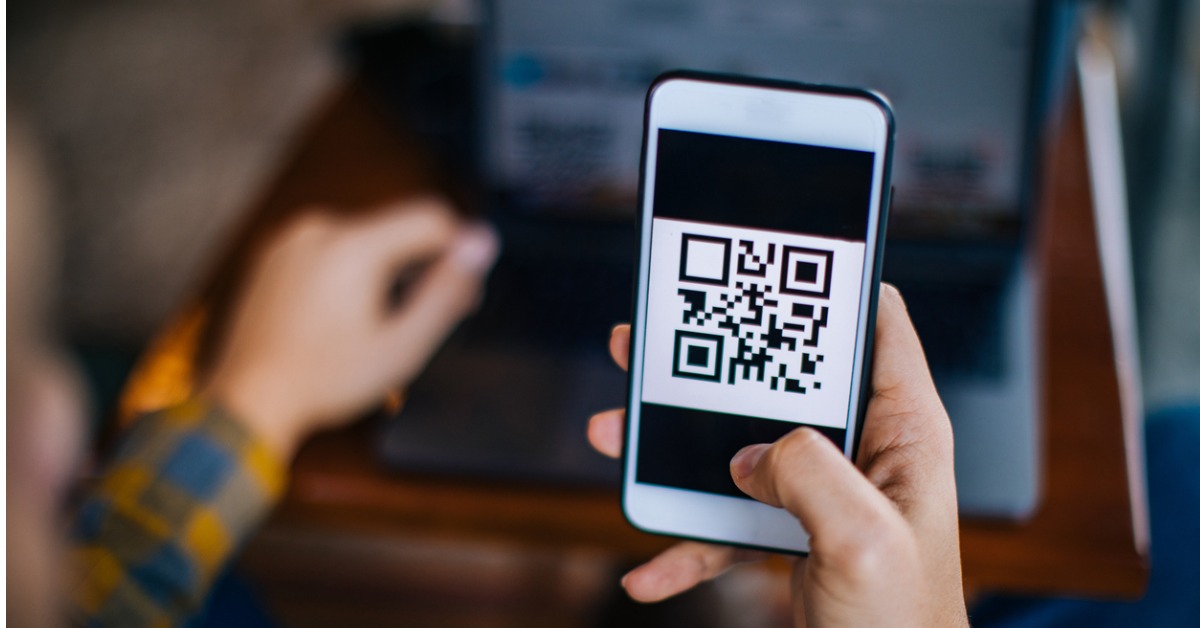
QR code phishing is an advanced and growing strategy for cybercriminals to attack businesses’ security systems in this ever-evolving cyber landscape. QR codes are being leveraged in efforts to deliver marketing messages, make payments, communicate without using a physical card, and convey information, making them a major threat today. This form of phishing exploits the trust and convenience that people place in QR codes to get them to reveal personal information or unknowingly download malware.
QR code phishing is an example of how cyber threats are continually evolving. It’s a new threat for all businesses, whatever their size or industry is, and it’s one that needs to be recognized and neutralized to protect their assets, data and reputation. To establish strong cybersecurity measures, it’s essential to comprehend how QR code phishing works, its potential consequences, and effective strategies for preventing it. Get expert assistance from IT Support 24/7 to safeguard your business from QR code scams.
Explain QR Code Phishing?
QR code phishing is a type of cybercrime in which criminal actors trick people into entering their sensitive data or downloading malware onto their devices via a malicious QR code. These are almost always on the surface of a physical object or online, and are designed to direct the victim to a legitimate looking website or resource.
After being scanned, QR codes can unknowingly give cybercriminals access to the victim’s personal information, including passwords or credit card numbers. People should be cautious about scanning QR codes, and they should check the source and destination before scanning a QR code.
QR code phishing risks are discussed below
Credential Theft
One of the major risks of QR code phishing is that users can be tricked into revealing their credentials. Malicious QR codes can be generated and when scanned, they will bring the user to a fake website, mimicking a legitimate login page.
As unsuspecting users enter their critical information on these phishing sites, they are continually giving up their credit or social security card, social security number, account numbers, banking details, and other valuable personal information, which the hackers can use in the wrong hands. To reduce the likelihood of being scammed by QR code phishing, individuals and companies should be careful with unsolicited QR codes from unknown or unverified sources.
Malware Distribution
QR code phishing is a potential threat to malware distribution. With malicious codes in QR codes, unsuspecting users can be tricked into downloading malware on to their devices.
This badware can be spyware that accesses sensitive data, or ransomware that renders the device inoperable until a ransom is paid. People and companies need to take extra care when scanning QR codes from unknown people or places, and keep their device secure to avoid phishing attacks.
Financial Loss
QR code phishing will cost consumers and companies considerable sums of money. By tricking someone into scanning a malicious QR code, cybercriminals can get access to sensitive financial information, including bank account information, credit card numbers, and logins.
Once it is obtained, this information can be utilized for fraudulent activities, and significant financial losses can be sustained by the victims. To prevent these possible financial risks, organizations need to be vigilant and adopt strong security protocols in collaboration with Managed Service Providers.
Brand Damage
Another risk of QR code phishing is the potential for brand damage. A fraudulent QR code can ruin the reputation and trustworthiness of the brand or organization being targeted, if it is used to trick people into clicking on it, entering sensitive information or downloading malware.
If a customer becomes the victim of such a scam, he or she may become disenchanted with the brand and may lose trust or opportunities in the future.
Here are a few ways to avoid being scammed by a QR code: To prevent getting scammed by a QR code, you should try the following:
Employee Education and Awareness
Education and awareness of employees are essential in safeguarding your business from QR code phishing attacks. You need to educate your workers about QR codes and how they can spot fake ones, remind them to check the source of every QR code scanned, and be aware of the possible dangers of phishing.
Frequent cybersecurity training sessions can help employees remain vigilant and knowledgeable of the latest tactics used by cybercriminals. The more you encourage your employees to be security aware, the less likely they’ll be to be tricked into clicking links in QR code phishing schemes, and the more you’ll protect your business’s sensitive information.
Introduce QR Code Scanners incorporating Security Features
QR code scanners with strong security features are key to safeguarding your business against QR code phishing attacks. These scanners ought to be able to identify malicious codes and URLs hidden in QR codes and warn users of possible risks even before they can cause any damage.
Also, check if the scanners have encryption features so you can ensure more security if you are scanning sensitive documents. By investing in secure QR code scanning technology, you can protect your business and customers from being vulnerable to phishing attacks and other cyber threats.
Check the source of QR Codes
One of the most important steps to take to avoid a phishing attack to your business is to verify the source of the QR codes. Always scan QR codes from trusted and legitimate sources. Avoid scanning QR codes from unknown or suspicious sources, as they could lead to malicious websites or unauthorized access to your sensitive information.
When scanning the QR code, the verification of its authenticity and source can greatly minimize the chances of being targeted by phishing. It’s also a good idea to have your staff learn how to check QR codes before they scan them to keep the data and systems running within your business as secure as possible.
QR Code Authentication to be used
QR codes are increasingly gaining popularity among businesses, as they are very convenient and easy to use. However, with the rise in phishing attacks using QR codes, it is essential to implement strong security measures, such as authentication. When scanning the QR code the business can check whether it is from a legitimate QR code provider, which will ensure that the customers are directed toward a secure website or platform.
This additional security can be used to prevent your business and customers from being tricked into phishing scams taking advantage of QR code technology. The QR code authentication is a proactive measure in shielding your online resources and fostering trust with your clients.
The Bottom Line
This is a growing trend in the world of online threats, with QR code phishing being one of them.QR code phishing is one of the most common forms of cybercrime and businesses should be aware of it and stay ahead of it. By adopting strong security measures, training staff on risks, and regularly reviewing and updating cybersecurity practices, organisations can significantly reduce their risks and vulnerabilities. Building awareness about cybersecurity and keeping up to date on new threats is crucial to protecting sensitive data and maintaining customer trust. In conclusion, staying vigilant and adapting to evolving cyber threats remain central to an effective defense strategy.