Graphic Design Software GFXRobotection Explained 2026
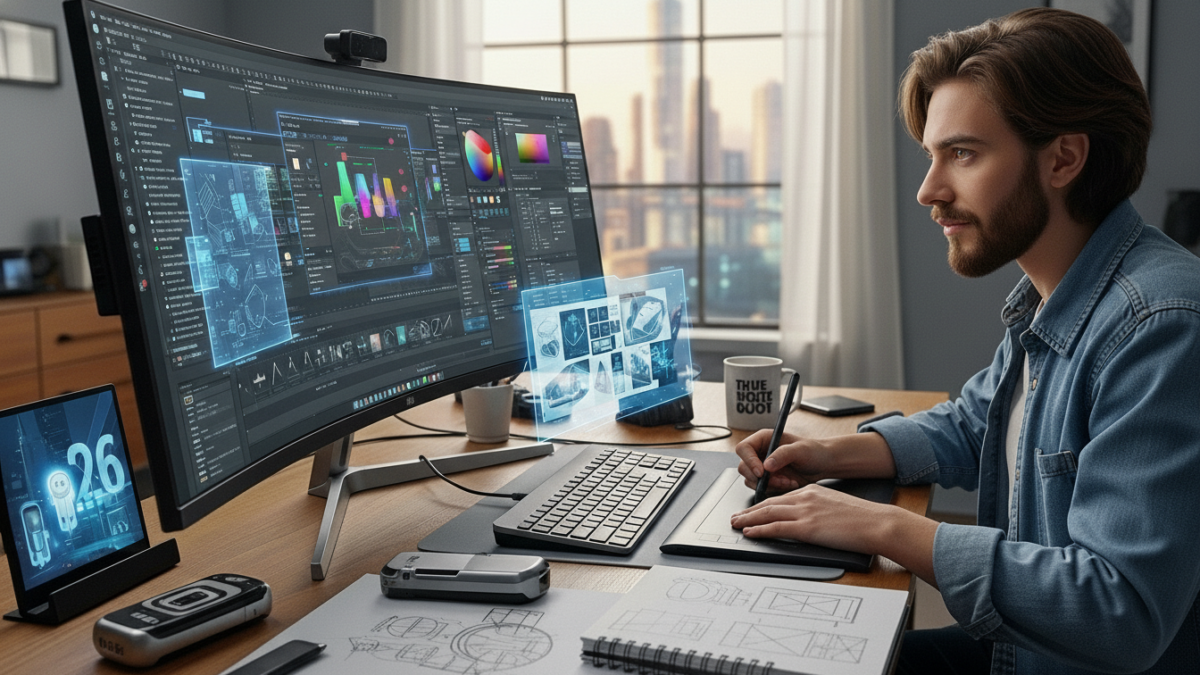
Visual content drives today’s digital world. From branding and marketing creativity to social media images and visual assets for UI graphic design is a key element in the way companies communicate. As demand increases, so do the concerns about the quality, authenticity, and creative ownership. This trend has led to new technologies for design which combine protection and creativity, and the graphic design software gfxrobot is now an extremely talked-about concept in this area.
Designers no longer search only for tools to assist them in creating attractive images. They are looking for solutions that can streamline workflows, ensure uniformity, and minimize the possibility of misuse. This article examines how modern tools for the protection of designs are used, why they are important today, and the reasons why professionals are focusing on the changing approach to digital design.
The Evolution of Graphic Design Tools
The software for graphic design has developed dramatically over the past two decades. The first tools were focused on manual editing, layer control, and exporting files. With the advent of digital platforms, designers require speedier workflows, better asset management, and more unique output formats.
Recent years have seen the advancement of automation, and artificial intelligence has changed the way we think about creativity. Intelligent design suggestions for layouts, adaptive scaling, and the intelligent color match are now regular features. In the same way, online platforms have made it much easier to allow designs to be reused, copied, or altered without authorization. This has forced the industry to think about the way creative assets are treated after they have been published.
Instead of relying only on watermarks that are visible or legible, modern solutions aim to integrate protection right into the designs of documents. This is where the latest technologies can be found, which combine the power of creativity with built-in security.
Understanding the Core Idea Behind GFXRobotection
The fundamental idea behind gfxrobotection, a graphic design software, is built around two main goals, which are: effective design development and intelligent security. Instead of considering security as a separate process, this method incorporates protection elements within the design workflow.
Designers are able to focus on their creativity while the system operates in the background to protect the originality and authorship. This reduces friction, particularly for agencies, freelancers,s and other businesses that have to manage massive amounts of visual content.
Contrary to conventional tools that rely on plugins from outside as well as manual operations, this approach is based on automation, consistency, and long-term asset management.
Why Design Protection Matters More Than Ever
Digital technology has altered the way that designs are distributed and consumed. A single image can move through multiple platforms in minutes. While this can be beneficial, it also increases the chance of misuse.
Design protection is essential because:
- Creative assets reflect the time, talent, and intellectual effort
- Reuse that is not authorized can be detrimental to the brand’s image
- Clients are looking for originality and accountability
- Ownership disputes can stall projects and campaigns
Designers often find misuse well after the damage has already been caused. By incorporating protections at the time of creation, modern tools can help minimize the risk and offer clear ownership trace trails.
How Modern Design Protection Works
Instead of relying solely on marks that are visible, the latest systems employ subtle and sophisticated techniques to protect assets. They could include:
- Metadata embedded that is stored in the creator details
- Invisible identifiers that remain in place after compression or resizing
- Smart tagging that monitors the usage of assets across different platforms
The objective isn’t to limit creativity, but rather to encourage it through enhancing confidence. Designers are able to share their work more freely, knowing that their assets are secure and traceable.
This also allows collaboration. Teams can collaborate on projects and not lose control over the final ownership of the project or any version history.
The Role of Automation and AI in Design Workflows
Automation has become an essential element in the modern tools for creativity. From resizing images to changing layouts to various types of platforms, AI assists designers in working more quickly without compromising quality.
In the realm of graphic design software like GFXrobot, automation can support the creative process and security. Intelligent systems are able to apply consistent branding elements, keep the design guidelines, and add layers of protection on their own.
This helps reduce the need for repetitive tasks and lets designers focus on strategy, storytelling, and visual impact, rather than technical issues.
Who Benefits Most From This Design Approach
Although the concept is broadly applicable, some groups benefit more directly from integrated design protection.
Freelance Designers
Independent designers frequently share drafts and finished assets with a variety of clients. Protective features help ensure ownership and minimize the risk of misuse.
Creative Agencies
Agencies manage large design libraries across campaigns. The constant protection of brand assets ensures they are tracked and controlled.
Digital Marketers
Marketing teams depend on the same visual style across different platforms. Automated protection ensures the integrity of brands at all levels.
Content Creators
Online creators publishing images online can safeguard original artwork while ensuring that their work is accessible to the public.
Real-World Applications in Everyday Design Work
This method isn’t limited to large-scale projects. It can be easily integrated into daily design projects, such as:
- Making social media-related graphics
- Logos, brand kits, and branding
- Making banners and ad creatives
- Designing UI elements for mobile and websites
In incorporating security into the workflows, designers are able to reduce the requirement to make post-production changes or follow-ups with legal authorities.
Improving Client Trust and Professional Credibility
Clients appreciate transparency and dependability. If designers can show that their work is backed by security measures, it increases confidence. Clients are more comfortable with the use of and distribution of assets because they know there is a clear ownership system in place.
Designers are also seen as professionals who can tackle the modern-day issues, not just aesthetics. As time passes, this trust could lead to more work and more solid partnerships.
Addressing Common Misconceptions
Some designers worry that adding protection could hinder creativity or decrease the quality of images. In reality, modern devices are designed to function without a sound background. The visual output is unchanged, and protection elements remain in place and unnoticed.
Another myth is that these tools are reserved for large businesses. In reality, creators who are individuals are often more vulnerable because of the limited resources available to them. Integrated protection level for all players on the same level.
The Future of Design and Digital Ownership
As the amount of digital content grows, ownership and authenticity remain crucial concerns. Design tools’ future is seamless integration, where creativity, automation,n and security can coexist in peace without any hassle.
Concepts such as the graphic design software gfxrobotection represent an evolution in the way designers approach their work. It’s no longer only about designing something visually appealing; however, it is about responsibly controlling its lifespan.
We can anticipate further innovations in this area, such as better tracking capabilities, more effective collaboration tools, and more collaboration with platforms for publishing.
Best Practices for Designers Adopting This Approach
Designers who wish to get the most value from secure workflows should
- Keep branding elements consistent
- Update the information about the designer in the design metadata
- Make use of platforms optimized for exports
- Inform clients about the use of asset rules
These simple habits, when combined with the latest tools, could dramatically reduce the risk of creativity.
Why This Concept Is Gaining Attention
The increasing demand for graphic design software gfxrobotection was not a coincidence. It is an actual challenge that designers face across all industries. As content that is visual becomes more important, securing it is a top necessity.
Designers who can adapt their designs early gain an edge. They are more efficient, secure their output,a nd position themselves as professionals who are forward-thinking in a crowded market.
Final Thoughts
The industry of design is transforming beyond the simple act of creating. Security, automation, and accountability are now important elements of the process of creating. Through embracing integrated solutions, designers can concentrate on their strengths while making sure their work is safe.
Graphic design software gfxrobotection embodies this new mindset, one in which innovation and security are integrated and not in isolation. For designers who appreciate creativity as well as efficiency, this strategy gives confidence, clarity, and long-term value.